Deep root fertilization is one of the most common treatments for struggling trees. It puts nutrients and water directly into the root zone, below the grass and topsoil. But is it right for every tree? This guide explains how deep root fertilization works, its pros and cons and when your trees are most likely to benefit.
How Deep Root Fertilization Works
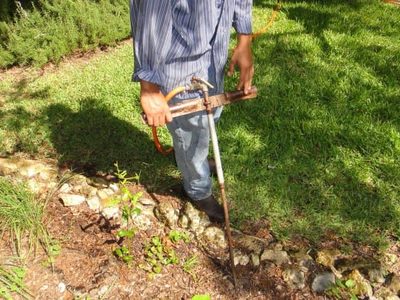
A technician uses a long probe connected to a tank of liquid fertilizer. The probe is pushed into the soil, and the mix is injected under pressure. Injections are made in a grid across the root zone, often extending past the drip line, which is the outer edge of the canopy. Large trees can need many injection points.
The Pros
- Feeds the roots directly: Nutrients reach the roots instead of feeding the lawn first.
- Loosens packed soil: The pressure breaks up compacted soil, letting air and water in.
- Adds water: The liquid gives roots a drink, which helps during dry spells.
- Targets specific needs: The formula can be adjusted for iron, nitrogen or other nutrients.
- Quick and low impact: The work leaves only small holes in the lawn that close quickly.
The Cons
- Not a cure all: Fertilizer cannot fix disease, insect attacks or serious root damage on its own.
- Can be overdone: Too much nitrogen can push weak growth or harm roots.
- Timing matters: Feeding during extreme heat or drought can stress a tree further.
- Needs a diagnosis first: Feeding a tree without knowing the cause of decline may waste money.
Which Trees Benefit Most?
- Trees with pale or yellow leaves: Often a sign of missing nutrients.
- Trees in compacted soil: Heavy traffic and paving pack the soil so roots cannot breathe.
- Trees after construction: Root damage and soil changes stress trees.
- Trees in poor Austin soil: Thin limestone soil and heavy clay both limit nutrients.
- Young trees: A healthy start helps them build strong roots.
Iron Chlorosis in Austin
Austin soil is often alkaline, which can lock up iron so trees cannot use it. This causes iron chlorosis, where leaves turn yellow while the veins stay green. Red oaks, sweetgums and some other trees are prone to it. Deep root feeding with the right iron mix, or a systemic treatment, can help these trees green up.
When to Fertilize
In Austin, the mild months of spring and fall suit feeding best, because roots are growing then. Hold off on heavy feeding during the worst summer heat unless your arborist advises otherwise.
What to Expect After Treatment
Most trees respond within a season with darker leaves and longer shoots. A badly declining tree may need a series of two or three visits. Deep watering during dry spells and a layer of mulch over the root zone help the treatment work better.
Deep Root Feeding vs Lawn Fertilizer
Lawn fertilizer stays near the surface, where grass roots take it up first. Tree roots also grow near the surface, but grass competes with them for every bit of food and water. Deep root feeding gives trees their own supply, placed where their roots can reach it.
Signs Fertilization Is Not the Answer
Sometimes a tree looks hungry but has a different problem. Oak wilt, borers, root rot and storm damage can all cause thin crowns and pale leaves. Feeding a tree with one of these problems will not fix it. That is why a proper inspection should come first. An arborist can spot the real cause and choose the right treatment, whether that is feeding, pruning or disease control.
Get the Right Treatment for Your Trees
Austin Complete Tree Service has fed Austin trees since 1978. Our arborists inspect every tree before picking a method and a mix. Learn more about our tree fertilization service or see the tree fertilization gallery.
Deep Root Fertilization Questions
How often should trees get deep root fertilization?
Many trees benefit from feeding once or twice a year while they recover. Healthy trees may need it less often.
Will deep root fertilization damage my lawn?
No. The probe leaves small holes that close quickly, and the lawn often benefits from the loosened soil.
Can I fertilize my tree myself?
You can, but it is easy to use the wrong product or amount. An arborist can match the treatment to the tree's real needs.
Related reading: whether drought stressed trees recover, signs a tree is dying and tree roots and your foundation.