Tree Planting
A healthy tree starts with good planting. Austin Complete Tree Service helps you choose the right tree for the right location, then plants it correctly so it grows strong for decades. Our certified and experienced arborists look at sun, soil, space and drainage before we dig.
Once you select a tree suited to your site and its microclimate, we make sure it goes in the ground the right way. A well planted tree needs less water, fewer repairs and less care over its life.
Choosing the Right Tree
The best tree for your yard depends on space, sun and soil. A large shade tree needs room for its roots and crown far from the house and power lines. A small ornamental tree fits near a patio. We help you pick native and well adapted trees that handle Austin heat and drought, such as:
- Live oak: A long lived evergreen shade tree with wide spreading limbs.
- Cedar elm: A tough native that handles clay and dry summers.
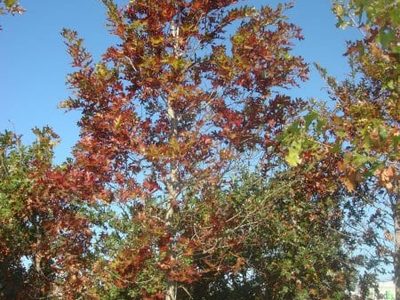
- Chinquapin oak: A fast growing oak that does well in alkaline soil.
- Mexican sycamore: A fast shade tree with silver leaves.
- Texas redbud: A small tree with bright pink spring flowers.
- Desert willow: A small, drought tolerant tree with summer blooms.
When to Plant
Most trees on the market are container grown and can be planted any time of year. Even so, fall, winter and early spring are the best times in Austin. Cooler weather lets roots grow before summer heat arrives. Trees planted in summer need extra water and attention. Balled and burlapped trees should be planted while dormant, because the root ball is more delicate and must be handled with care.
Our Planting Process
- Site check: We look at sun, drainage, soil and nearby structures.
- Utility marking: We confirm buried lines are marked before digging.
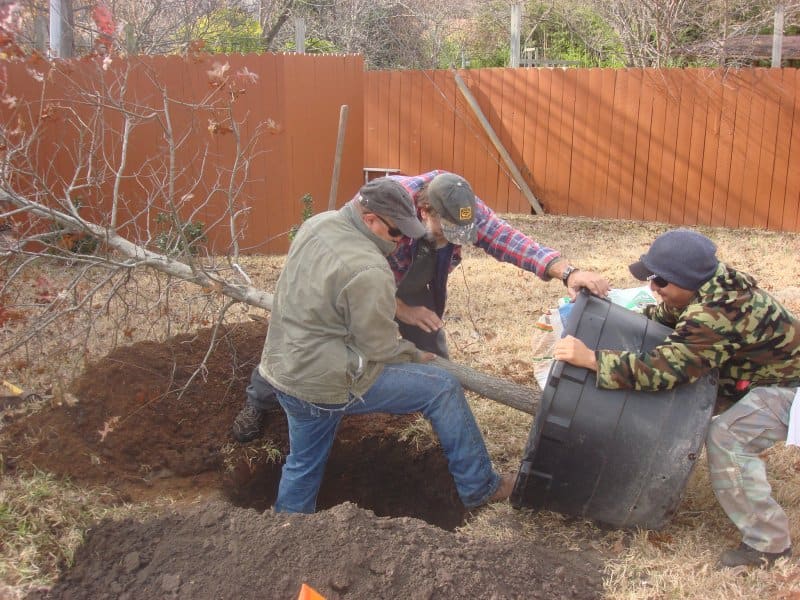
- Digging: We dig a hole two to three times wider than the root ball, but no deeper.
- Setting the tree: We place the tree so the root flare sits at or slightly above grade.
- Backfill and soil treatment: We fill with native soil and treat it to help roots grow.
- Bracing: We brace or stake the tree until roots are firmly set.
- Mulch and water: We add mulch and give the tree a deep first watering.
Caring for a New Tree
New trees need regular water for the first two summers. Water deeply once or twice a week during dry spells, more in extreme heat. Keep mulch two to three inches deep and away from the trunk. Remove stakes once the tree can stand on its own, usually within a year. Light structural pruning in the first few years helps the tree grow a strong shape.
Planting for Shade, Privacy and Value
A well placed tree does real work for your home. Shade trees on the west and south sides can cut summer cooling costs. A row of evergreen trees can block a busy street or a neighbor's second story window. Mature trees also add curb appeal and value to a property. We help you plan the location so the tree gives you the benefit you want without crowding the house, driveway or power lines.
Planting for Austin Conditions
Austin is not an easy place to grow trees. Thin soil over limestone, heavy clay, long droughts and sudden freezes all test young trees. Since 1978 our team has planted trees across Austin and watched what thrives here. We avoid trees that struggle in local soil or invite pests. We also plan for oak wilt by spacing oaks wisely and mixing species, so one disease cannot take every tree on the lot.
Keeping Young Trees Healthy
After planting, keep your young tree healthy with tree fertilization and light tree trimming. Replacing a tree that was removed? Ask about stump grinding first. View our tree planting gallery.
Tree Planting Questions
What is the best shade tree for an Austin yard?
Live oak, cedar elm and chinquapin oak are strong choices for most Austin yards. The best pick depends on your space, sun and soil.
How far from my house should I plant a tree?
Plant large shade trees at least 15 to 20 feet from the house. Smaller ornamental trees can go closer.
Why should the root flare show above the soil?
Trees planted too deep can rot and grow roots that circle and choke the trunk. A visible root flare helps the tree breathe and grow normally.
Can you plant a tree where an old stump was?
It is better to plant a few feet away from an old stump. The decaying roots and wood chips can make the soil poor for a young tree.