Arborist Services
Our arborist services focus on tree health. We provide full tree inspections, insect and disease diagnosis and treatment plans that help trees recover and stay strong. The certified and experienced arborists at Austin Complete Tree Service gather information from you about changes that could have led to a tree's decline, then study the tree itself for answers.
A tree may look fine from the street and still have problems inside. An inspection gives you a clear picture before small issues turn into costly failures.
What Our Arborists Check
- Leaves and canopy: Color, size, thinning and dieback in the crown.
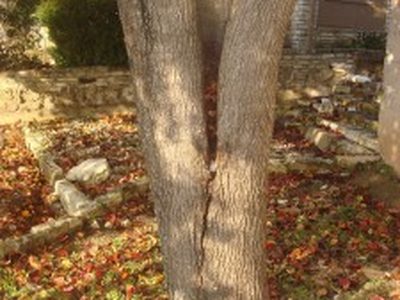
- Trunk and bark: Cracks, cankers, holes, oozing sap and loose bark.
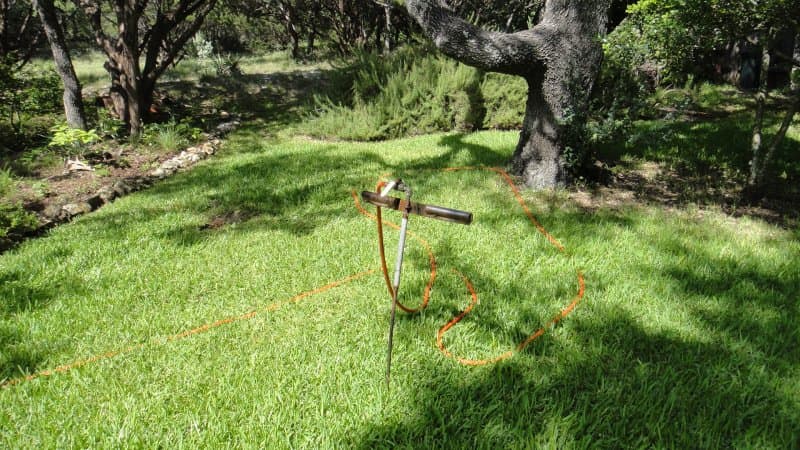
- Root zone: Soil compaction, grade changes, root damage and drainage.
- Structure: Weak unions, heavy limbs and signs of past storm damage.
- Pests: Bore holes, sawdust, webbing and other signs of insects.
- Disease: Fungus, leaf spots and patterns that point to oak wilt or rot.
Insect, Disease and Injury Diagnosis
Diagnosing a tree problem takes more than a quick look. It requires knowing the tree species, its site and its history. Many problems have more than one cause. A tree weakened by drought, for example, becomes an easy target for borers. Our arborists piece together these clues and name the real cause. Then we build a plan to help the tree defend itself and prevent further injury.
Tree Health Treatments
Fertilization and Root Feeding
Stressed trees often need nutrients and better soil. We offer deep root fertilization, systemic tree treatment and root feeding with aeration. Learn more on our tree fertilization page.
Insect and Disease Treatment
When pests or disease are confirmed, we recommend the safest effective treatment. Some treatments go into the soil, some are injected into the trunk and some are applied to the leaves.
Corrective Pruning
Removing dead, diseased and weak limbs often helps a tree heal. We prune to improve structure and air flow without stressing the tree.
Tree Risk Assessments
Is a tree safe to keep near your home? A risk assessment looks at how likely a tree or limb is to fail and what it could hit if it does. We consider decay, lean, root health and past failures. You get clear advice on whether to keep the tree as is, treat it, cable it or remove it.
Common Tree Problems We Diagnose in Austin
- Hypoxylon canker: A fungus that attacks oaks weakened by drought, leaving gray or brown crusts on the bark.
- Bagworms and webworms: Caterpillars that strip leaves from cedars and pecans.
- Borers: Beetles that tunnel under the bark of stressed trees.
- Iron chlorosis: Yellow leaves with green veins, common in Austin's alkaline soil.
- Drought decline: Thin crowns and dead tips after long dry summers.
- Root rot: Decay from poor drainage, often near new patios or beds.
Ongoing Tree Care Plans
Some properties do best with regular visits. A care plan sets a simple schedule for inspection, pruning and feeding. It catches problems early and spreads costs over time. Care plans work well for large estates, HOAs and commercial sites with many trees.
Trees and Construction
Construction is one of the top causes of tree decline in Austin. Trenching, grading and heavy equipment crush and cut roots. Our arborists can help protect trees before a project starts with root zone fencing, mulch and careful pruning, then help them recover afterward.
Local Arborists Who Know Austin Trees
Austin trees face drought, heat, poor soil and diseases like oak wilt and hypoxylon canker. Our arborists have studied and cared for trees in Austin since 1978. We know the common problems of live oaks, cedar elms, red oaks, pecans and Arizona ash in this climate. We also know the City of Austin tree rules that apply when large or heritage trees are involved. That local knowledge leads to faster, more accurate answers for your trees.
Learn More About Tree Health
Learn about our credentials on the certified arborist page. For oaks, see our oak wilt treatment service.
Arborist Services Questions
What happens during a tree inspection?
An arborist walks your property, checks each tree from roots to crown and asks about recent changes. You get a clear explanation of what we find and what we suggest.
Why are the leaves on my tree turning brown in summer?
Brown leaves in summer can come from drought, heat scorch, root damage, insects or disease. An inspection helps find the true cause.
Should I have my trees checked before buying a home?
Yes. Large trees near a home can hide decay or root problems. A check before you buy can help you plan for future care costs.
Can you help my trees during construction?
Yes. We plan root protection zones, prune ahead of the work and help trees recover after the project ends.