Tree Fertilization
Trees in Austin often grow in poor, packed soil. Lawns, driveways and foot traffic squeeze out air and water, and roots go hungry. Tree fertilization puts nutrients back where roots can use them. The certified and experienced arborists at Austin Complete Tree Service study each tree first, then choose the right formula and method for that tree.
Fertilization can help sick trees, trees in decline and trees under stress from drought, construction or pests. It also gives young trees a stronger start.
Signs a Tree Needs Feeding
- Pale or yellow leaves: Poor color often points to a missing nutrient.
- Small leaves: Leaves that are smaller than normal signal weak roots.
- Slow growth: Little new growth each year shows the tree is struggling.
- Thin canopy: You can see more sky through the crown than before.
- Early leaf drop: Leaves fall in summer instead of autumn.
- Construction stress: Digging or new paving near roots can starve a tree.
Our Fertilization Methods
Deep Root Fertilization
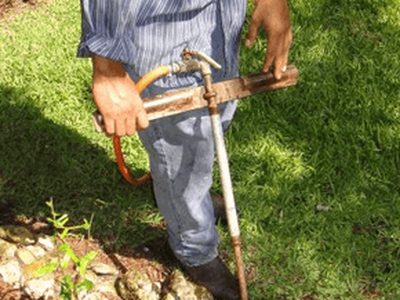
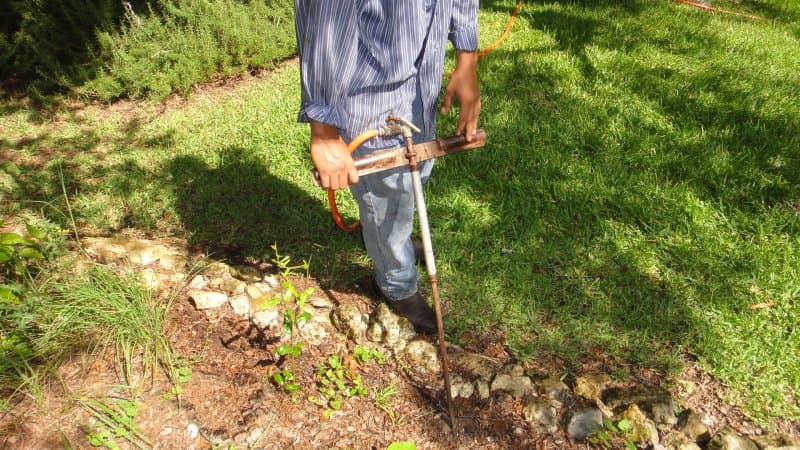
We inject liquid fertilizer into the soil under pressure. The injections follow a grid across the root zone and extend at least three feet past the drip line. Some large trees need several hundred injection points. The water pressure also loosens packed soil so air and water reach the roots.
Systemic Tree Treatment
Some trees need nutrients or treatment inside the tree. We use a micro injection process with measured vials placed around the trunk. The tree moves the treatment up through its own vascular system.
Soil Testing and Custom Formulas
Not every tree needs the same food. A live oak in rocky soil has different needs than a pecan in deep clay. When a tree shows a clear problem, we look at soil conditions and leaf symptoms to choose the right mix of nitrogen, iron and other nutrients. Too much fertilizer can burn roots or push weak growth, so we apply only what the tree can use.
Root Feeding and Aeration
For trees in hard, compacted soil, we combine feeding with soil aeration. This helps roots grow out and take in water during dry spells.
How We Plan Each Treatment
Our arborist checks leaf color, new growth, soil and the trunk base. We ask about changes on the property, such as new construction, grading or watering. Then we explain the plan, the best time to treat and how many visits the tree may need.
Benefits of Tree Fertilization
- Greener leaves: Balanced nutrients restore healthy leaf color.
- Stronger roots: Fed roots spread farther and hold the tree in place.
- Better drought survival: Healthy roots find water deeper in the soil.
- Pest and disease defense: Strong trees fight off insects and fungus better.
- Faster recovery: Trees heal faster after pruning, storms or construction.
Caring for Your Tree After Treatment
Water is the other half of tree health. After we fertilize, water the root zone deeply once a week during dry spells. A slow soak at the drip line works better than a quick spray near the trunk. Spread two to three inches of mulch over the root zone, but keep it a few inches away from the bark. Avoid parking cars or piling soil under the canopy, because packed soil undoes the work we just did. Our arborist will give you simple care steps for your trees before we leave.
Feeding Trees in Austin Soil
Austin soil is tricky. West Austin has thin soil over limestone, and east Austin has heavy clay that holds water and then cracks in summer. Both make it hard for roots to find food. Our arborists have fed Austin trees since 1978 and know what local live oaks, cedar elms and red oaks need. We time treatments around heat and drought so the tree can use what we give it.
More Ways to Boost Tree Health
Fertilization works best with good pruning. Ask about tree trimming to remove dead wood, or our arborist services for insect and disease diagnosis.
Tree Fertilization Questions
When is the best time to fertilize trees in Austin?
Spring and fall are usually best, when roots are active and temperatures are mild. We avoid feeding during extreme summer heat unless the tree has a special need.
Can fertilizer save a dying tree?
Fertilizer helps trees that are stressed or in decline, but it cannot cure every problem. Our arborist will tell you honestly if the tree can recover.
Is lawn fertilizer enough for my trees?
No. Lawn fertilizer stays near the surface and feeds the grass first. Deep root feeding places nutrients where tree roots can reach them.
How long until I see results?
Many trees show better leaf color and growth in the next growing season. Trees in heavy decline may need two or three treatments.